

Table of Contents
- What You’ll Need: Essential Materials for Transporting Delicate Antiques
- Step-by-Step Process: How to Safely Transport Delicate Antiques
- Best Packing Materials for Antiques: Material-Specific Handling
- Shipping Antique Furniture Safely: Professional vs. DIY Approaches
- DIY Antique Packing Tips: Common Mistakes to Avoid
- Insuring Valuable Antiques During a Move: Valuation and Coverage
- Post-Move Inspection and Acclimation: Protecting Your Items After Arrival
- Why Professional Help Matters for Delicate Antiques
How to Safely Transport Delicate Antiques: A Step-by-Step Guide
Last Updated: July 20, 2026
Safely transporting delicate antiques requires proper preparation, quality materials, and precise execution. A single mistake can damage irreplaceable pieces, devalue collections, or destroy items with historical significance. This guide walks you through assessment, materials, packing, and when to hire professionals, so your treasured items arrive in perfect condition.
What You’ll Need: Essential Materials for Transporting Delicate Antiques
Gather the right supplies before packing anything. Using cheap materials or improvising with newspaper and old towels is how damage happens.
Protective Wrapping and Padding Materials
Acid-free tissue paper is your foundation. Unlike regular tissue or newspaper, it won’t yellow or degrade your antiques over decades. Use it as the first layer against any object.
Bubble wrap with large bubbles (1.25-inch) provides shock absorption without excessive bulk. Always use acid-free tissue as a buffer layer first, never wrap items directly in bubble wrap.
Glassine paper protects surfaces vulnerable to bubble wrap texture, such as oil paintings, varnished wood, or polished marble. It’s breathable, won’t stick, and prevents moisture trapping.
Moving blankets, thick, quilted blankets designed for transport, protect larger pieces and provide cushioning inside boxes and crates. They’re reusable and far superior to old blankets.
Packing peanuts fill voids inside boxes, preventing items from shifting during transit. Furniture pads protect wooden legs and feet from scratching.
Buy acid-free tissue paper in bulk before starting. Most people underestimate how much they need.
Boxes, Crating, and Structural Support
Double-walled boxes are essential for antiques. Single-walled boxes compress under pressure and offer minimal protection.
Custom crating is the gold standard for high-value items. A properly constructed wooden crate with interior padding, moisture barriers, and weight distribution engineering protects fragile antiques during moving. For pieces worth more than a few thousand pounds, custom crating is cost-effective insurance.
Corrugated cardboard sheets, acid-free and lignin-free, line box interiors and protect items from direct contact with degrading cardboard.
Heavy-duty packing tape (2-inch, fiberglass-reinforced) seals boxes securely. Reinforce seams on top, bottom, and all edges to prevent boxes from opening during transit.
Step-by-Step Process: How to Safely Transport Delicate Antiques
Follow this logical sequence carefully. Rushing any step risks damage.
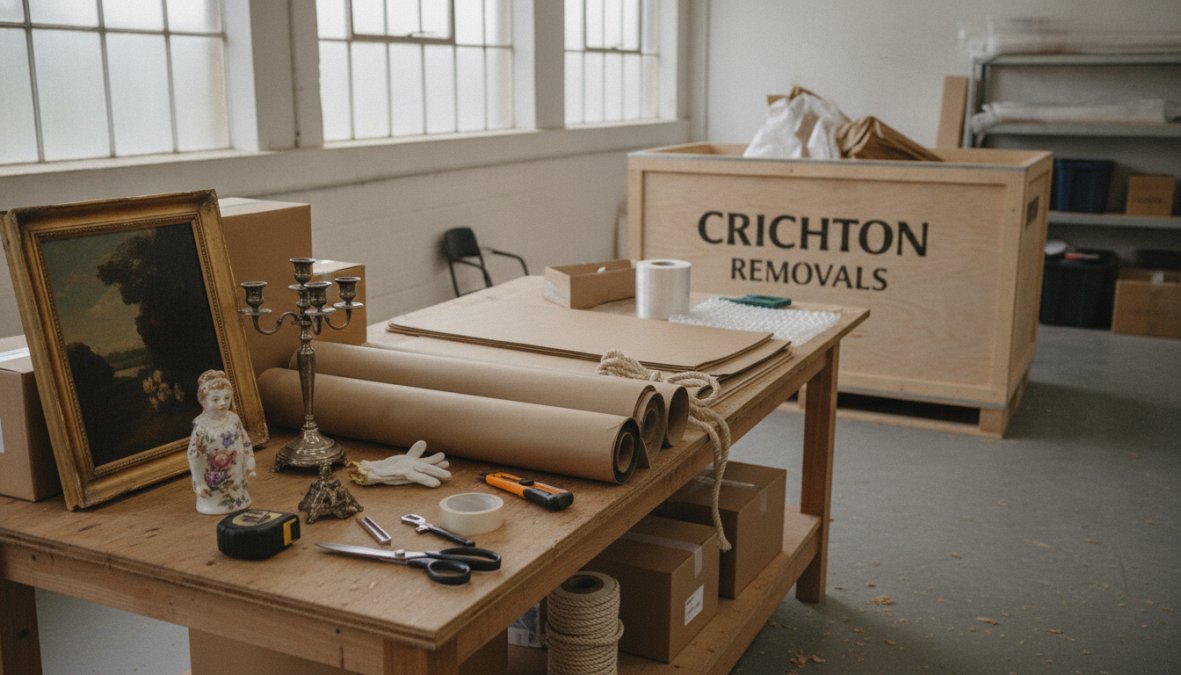
Step 1: Assess and Document Your Items
Photograph each piece from multiple angles, including close-ups of any existing damage. Create a detailed inventory list noting dimensions, weight estimates, materials, special handling requirements, and appraised value. This documentation is essential for insurance claims and provides reference photos if restoration becomes necessary.
Identify items requiring special handling. Oil paintings need climate control and horizontal transport. Marble sculptures are susceptible to temperature shock. Antique wood furniture can crack if moved too quickly between climate zones. Porcelain demands individual wrapping.
Step 2: Disassemble Strategically
Remove legs, shelves, mirrors, and detachable components from furniture whenever possible. Disassembly reduces weight, minimizes stress on joints, and makes wrapping easier.
Photograph the disassembly process, showing how pieces connect and the order of removal. Label each component with painter’s tape and a permanent marker. Store hardware in labeled plastic bags taped to the corresponding furniture piece.
Step 3: Wrap with Precision
Begin every item with acid-free tissue paper, wrapping loosely to create a protective layer. Layer bubble wrap over the tissue, securing it gently with painter’s tape. Use 2-3 layers for fragile items like stemware or figurines.
For paintings and canvas art, use glassine paper as the first layer, then bubble wrap. Never allow bubble wrap to touch painted surfaces directly. Wrap each item individually, even if multiple pieces go into the same box.
Step 4: Pack and Load Carefully
Place heavier items at the bottom of boxes, lighter items on top. Fill all voids with packing peanuts to prevent shifting. Label every box with contents, room destination, and handling instructions.
Load the moving vehicle strategically, placing boxes against walls and securing them so they can’t shift. Use moving blankets and straps to immobilize larger pieces. For climate-controlled transport, ensure the vehicle’s temperature and humidity systems are functioning before loading.
Never stack boxes containing fragile antiques more than 3-4 boxes high. The weight of boxes above can crush items inside lower boxes, especially during braking or bumps. This is one of the most common causes of damage during professional moves.
Best Packing Materials for Antiques: Material-Specific Handling
Different antique materials demand different approaches.
Protecting Oil Paintings and Canvas Art
Oil paintings are vulnerable to temperature fluctuations, humidity changes, and physical pressure. Never wrap paintings in plastic, it traps moisture and damages canvas and paint layers. Use glassine paper first, followed by bubble wrap.
Transport paintings vertically or at a slight angle, never flat. Climate control during transport is essential. Paintings should travel in temperature-stable environments where humidity remains between 45-55%. Rapid temperature changes cause expansion and contraction that crack paint and damage varnish.
Safeguarding Porcelain, Ceramics, and Marble
Wrap each porcelain figurine separately in acid-free tissue, then bubble wrap. Place wrapped items in boxes with packing peanuts filling all voids, no two items should touch.
Marble and stone sculptures are heavy and susceptible to impact damage. Wrap them in moving blankets rather than bubble wrap. Marble is sensitive to temperature shock. Allow marble to acclimate gradually when moving between heated and cold environments, as rapid temperature changes cause micro-fractures.
Preserving Antique Wood Furniture and Finishes
Antique wood furniture is vulnerable to humidity fluctuations. Rapid changes cause wood to expand and contract, leading to warping, splitting, and veneer separation. Maintain stable humidity levels between 45-55% during transport.
Wrap wooden furniture in moving blankets to protect the finish from scratches and dust. Secure blankets with painter’s tape, not plastic wrap, which traps moisture against the wood. Disassemble drawers and remove shelves before moving, wrapping them separately.
Shipping Antique Furniture Safely: Professional vs. DIY Approaches
The decision between professional and DIY transport depends on value, complexity, and your confidence level.
When to Use Custom Crating
Custom crating is the professional standard for high-value antiques, irreplaceable pieces, and items with complex shapes or fragile components. For pieces worth more than £3,000-5,000, custom crating is cost-effective. The crate itself costs £200-1,000 depending on size and complexity, but provides protection equivalent to thousands of pounds of insurance coverage.
Custom crating also enables climate-controlled transport with humidity and temperature monitoring.
Climate Control and Moisture Protection During Transport
Moisture causes wood to warp, veneers to lift, metals to corrode, and textiles to mildew. Climate-controlled transport maintains stable temperature and humidity, protecting items during the journey.
Standard moving vehicles offer no climate control. Temperature and humidity fluctuate with outdoor conditions. Climate-controlled vehicles maintain internal temperatures between 65-75°F and humidity between 45-55%, regardless of external weather.
For moves across seasons, climate control becomes essential. Moisture barriers inside boxes and crates prevent condensation. Use acid-free kraft paper or breathable barriers, never plastic sheeting.
DIY Antique Packing Tips: Common Mistakes to Avoid
Most damage during DIY moves happens because of preventable mistakes.
Using newspaper or regular tissue paper is the first mistake. These materials contain acid and lignin, which degrade antiques over years. Wrapping items directly in plastic traps moisture and causes mildew, rust, and finish damage. Use breathable materials like acid-free kraft paper.
Overpacking boxes is dangerous. Heavy boxes are harder to handle, and weight can crush items inside. If a box is too heavy to lift comfortably with one hand, distribute weight across multiple boxes.
Stacking boxes without securing them causes shifting during transport. Use straps, tie-downs, or blocking to prevent movement. Not labeling boxes creates confusion during unpacking.
The biggest mistake is rushing the wrapping and packing process. Antique transport isn’t a task to hurry through. Taking time to wrap properly, pack carefully, and label clearly prevents 90% of damage.
Insuring Valuable Antiques During a Move: Valuation and Coverage
Standard moving insurance covers only a fraction of an antique’s actual value.
Getting a Professional Appraisal
An official appraisal from a qualified appraiser establishes fair market value. This document is essential for insurance claims, estate planning, and tax purposes.
Professional appraisers specialize by category, furniture, art, ceramics, jewelry, textiles. The appraisal process typically costs £150-500 per item. For items worth more than £5,000, this cost is negligible compared to the protection it provides. Appraisals are valid for 3-5 years.
Document the appraisal with photographs, condition notes, and provenance information. Store documentation in a safe place, ideally a safe deposit box or digital backup.
Understanding Transit Insurance and Valuation Coverage
Standard moving company liability covers only a few pounds per pound of weight. Full-value protection reimburses the full appraised value if items are damaged or lost during transport. The premium is typically 1-3% of the declared value.
Specialty antique movers offer coverage specifically designed for high-value items. Before purchasing coverage, verify what’s included. Some policies cover damage during packing, transport, and unpacking. Others cover only transport.
Declare the full appraised value to your insurer. Undervaluing items to save on premiums means you’ll receive only the declared amount if damage occurs.
Post-Move Inspection and Acclimation: Protecting Your Items After Arrival
The move isn’t complete when the truck is unloaded.
Inspect items immediately upon arrival, before unpacking. Check for visible damage to boxes and crates. Document any damage with photographs. Note damage on the moving company’s paperwork before signing off.
Unpack items carefully in the same order they were packed. Unwrap slowly and inspect each piece under good lighting for small cracks or chips.
Allow antiques to acclimate to their new environment gradually. Keep them in a temperature and humidity-stable room for 24-48 hours while they adjust. This prevents wood expansion, paint cracking, and other stress-related damage. Monitor temperature and humidity in rooms where antiques will be displayed or stored. Ideal conditions for most antiques are 65-75°F and 45-55% humidity.
Why Professional Help Matters for Delicate Antiques
DIY moving works for some items, but antiques are different. Professional antique movers have specialized equipment, training, and insurance that DIY moves lack. They understand how to assess items, design custom protection, and handle transport safely.
They also have the right vehicles. Climate-controlled trucks, hydraulic lifts, and specialized padding systems aren’t available for consumer rental. Professional movers carry comprehensive insurance. If damage occurs despite careful handling, insurance covers restoration or replacement.
For items worth more than a few thousand pounds, or for irreplaceable pieces, professional transport is the only sensible choice.
When moving antiques across Geelong or interstate throughout Victoria, the difference between success and costly disaster hinges on preparation, materials, and execution. Crichton Removals brings decades of experience transporting delicate and high-value items, with specialized handling for antiques, custom crating services, and climate-controlled transport options. Whether you’re moving a single valuable piece or an entire collection, Crichton Removals ensures your treasured items arrive in perfect condition.
External Sources
According to the International Association of Movers guidelines for fine art transport, climate-controlled vehicles maintain internal temperatures between 65-75°F and humidity between 45-55% to protect valuable items during transit.
Research from the American Institute for Conservation emphasizes that acid-free materials are essential for protecting antiques from degradation, as standard paper contains lignin that chemically damages items over decades.
The National Association of Certified Appraisers recommends obtaining professional appraisals for items worth more than £5,000 before moving, as this documentation is essential for insurance claims and establishes fair market value for coverage purposes.
Frequently Asked Questions
What are the best packing materials for antiques?
The best packing materials for antiques include acid-free tissue paper, glassine paper, bubble wrap, moving blankets, and double-walled boxes. For delicate items like porcelain or oil paintings, use multiple layers of protection with breathable materials that prevent moisture buildup. Avoid newspaper and standard packing peanuts, which can damage finishes. Custom crating offers superior protection for high-value pieces. Always prioritize shock absorption and structural integrity when selecting materials.
Do I need transit insurance when shipping antique furniture?
Yes, transit insurance is highly recommended for valuable antiques. Standard moving coverage may not fully protect high-value items. Before arranging transport, obtain a professional appraisal to establish valuation coverage. Discuss your specific items with your moving company to understand what's included in their standard liability and what additional transit insurance you may need. This protects your investment if damage occurs during the move.
Should I disassemble antique furniture before moving?
Disassemble antique furniture only when necessary and safe to do so. Remove detachable legs, mirrors, or shelves to reduce weight and prevent damage during transit. However, avoid disassembling pieces where joints or hardware are fragile or irreplaceable, this can cause permanent damage and reduce value. If uncertain, consult a professional or antique restorer. Document all parts and hardware with photos and labels for reassembly.
What is custom crating and when do I need it?
Custom crating involves building a protective wooden frame tailored to your specific item's dimensions and weight. It's essential for high-value pieces like grand pianos, large oil paintings, marble statues, or heirloom furniture. Custom crates provide superior shock absorption, weight distribution, and climate control during transit. While more expensive than standard boxing, crating prevents crushing, ensures structural integrity, and is often required for cross-country or interstate moves of valuable antiques.
This article was written using GrandRanker